Branding · Packaging · UX/UI · Web · Paid Media · Lead Generation
Dermater — From Brand Building to Lead Generation
An end-to-end dermocosmetics case connecting brand development, packaging, digital experience, sales enablement, social communication, Meta lead campaigns and performance analysis.
RoleBrand & Digital Designer · Web Developer · Growth & Content
CategoryDermocosmetics · Professional Healthcare · Hair Transplant
ChannelsPackaging · Website · Print · Social · Meta Ads · Analytics
EngagementEnd-to-end brand, digital and growth development
01 · Project overview
Transforming an early-stage product concept into a coherent brand, digital and acquisition ecosystem.
Dermater arrived with a logo and an initial product idea. In partnership with Exelderma, the project evolved from that starting point into a structured market presence spanning packaging, website, printed sales materials, social communication, paid-media campaigns and performance analysis.
The objective was not simply to make the brand look consistent. Every touchpoint had to support a different part of the commercial journey: packaging needed to establish credibility, the website had to explain technical evidence, printed materials had to support the sales team, social content had to maintain relevance and paid campaigns had to convert professional interest into qualified contacts.
This created a genuine end-to-end case in which brand expression, user experience, content and acquisition were designed as connected parts of the same system.
Starting pointLogo + product concept
The broader visual, digital and communication ecosystem still needed to be defined.
Strategic scopeBrand to acquisition
Packaging, website, sales materials, content and lead generation were developed as one connected journey.
Growth layerCampaigns + performance
Meta lead forms and a comparative dashboard connected creative execution with measurable acquisition data.
02 · Brand challenge
A technical dermocosmetic product needed a market presence capable of speaking to both clinical credibility and commercial opportunity.
Dermater sits at the intersection of product science, professional healthcare communication and commercial adoption. The brand therefore needed to communicate technical confidence without becoming visually cold or excessively complex.
A second challenge was scalability. The same identity had to remain coherent across a small package, a technical website, clinical documentation, event materials, social posts and performance campaigns. The system needed enough structure to preserve recognition while adapting to very different information densities and user intents.
01
Clinical credibility
Scientific and product information needed a clear hierarchy that supports professional evaluation.
02
Commercial clarity
Benefits, applications and calls to action had to remain understandable for clinics, doctors and business decision-makers.
03
Cross-channel consistency
Packaging, web, print and social assets needed to feel recognisably part of the same brand system.
04
Measurable acquisition
Communication had to evolve from awareness into qualified lead generation and performance analysis.
03 · Role and workflow
The work connected creative direction, implementation and growth rather than treating them as separate deliverables.
My contribution covered the development and evolution of the brand’s visual and digital presence: packaging exploration, responsive website planning and implementation, information architecture, wireframes, graphic materials, social-media content systems, campaign creative and lead-generation support.
The workflow moved from brand foundations into digital experience and then into acquisition. This sequence allowed later campaign decisions to build on a visual system, website structure and content language that had already been established.
Build the brand
Packaging, visual consistency and practical communication assets established the market-facing identity.
Build the experience
Wireframes, information architecture and responsive implementation organised evidence, applications and contact pathways.
Build the growth loop
Social content, Meta lead campaigns and performance analysis connected awareness with acquisition and optimisation.
04 · Packaging system
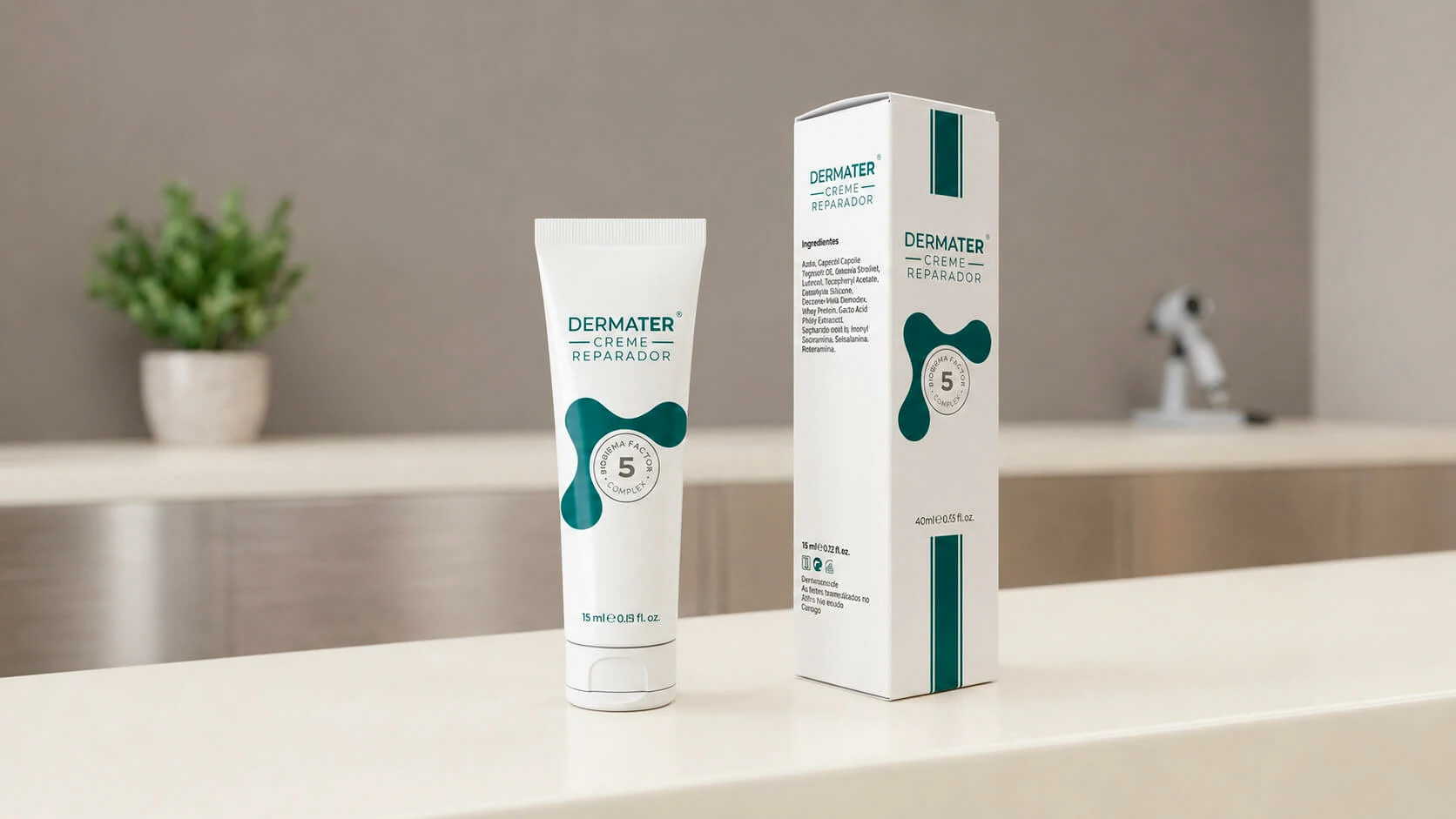
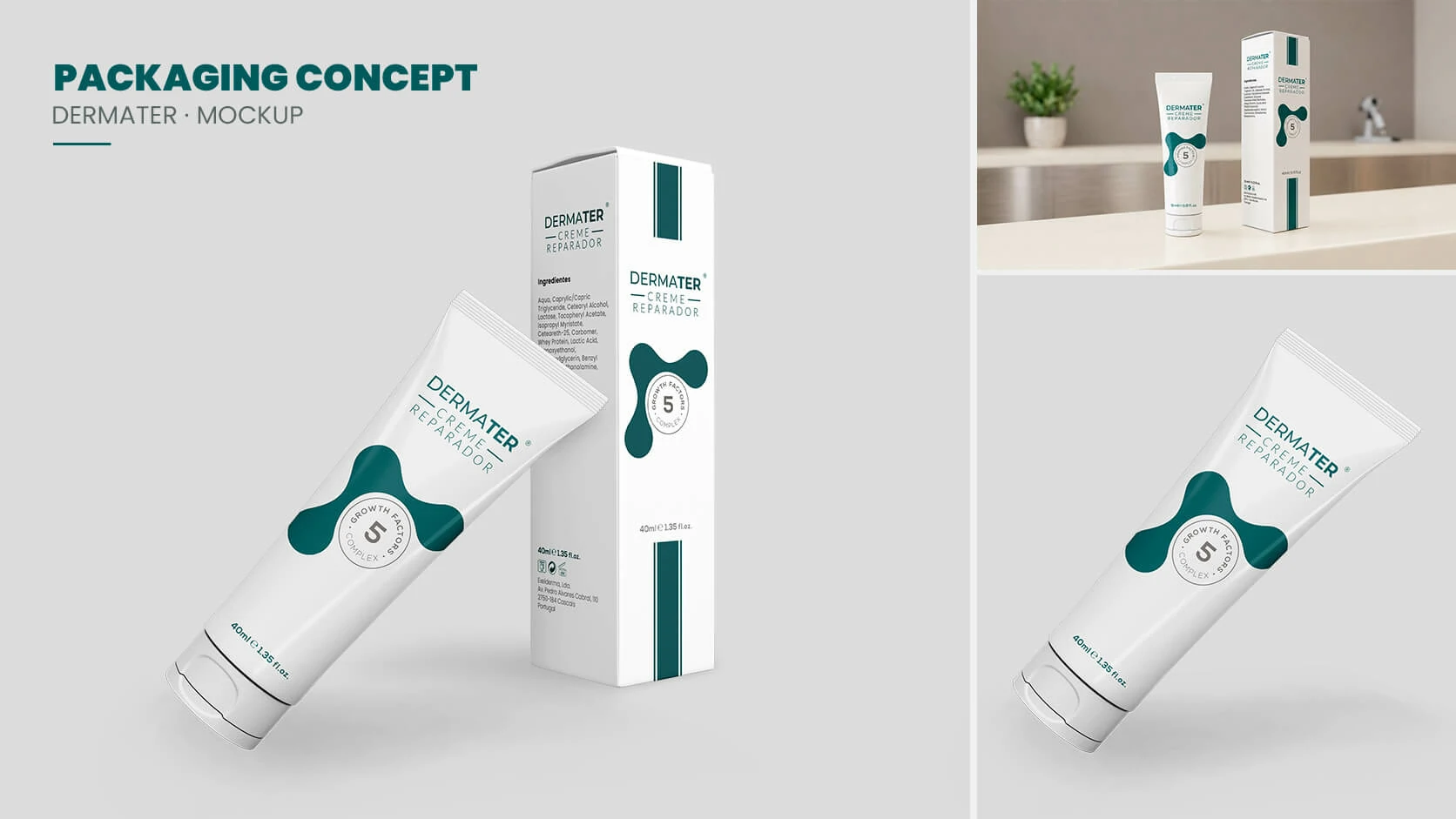
The package became the first major extension of the existing Dermater logo into a complete visual language.
Early packaging concepts were explored through mockups before the final direction was consolidated. The goal was to create a presentation that felt clean, technical and premium while remaining distinctive within a professional dermocosmetics context.
The final system established the relationship between the Dermater wordmark, teal colour palette, product hierarchy and the five-growth-factors proposition. Once approved, this language became a reference point for the website, communication materials and later campaigns.
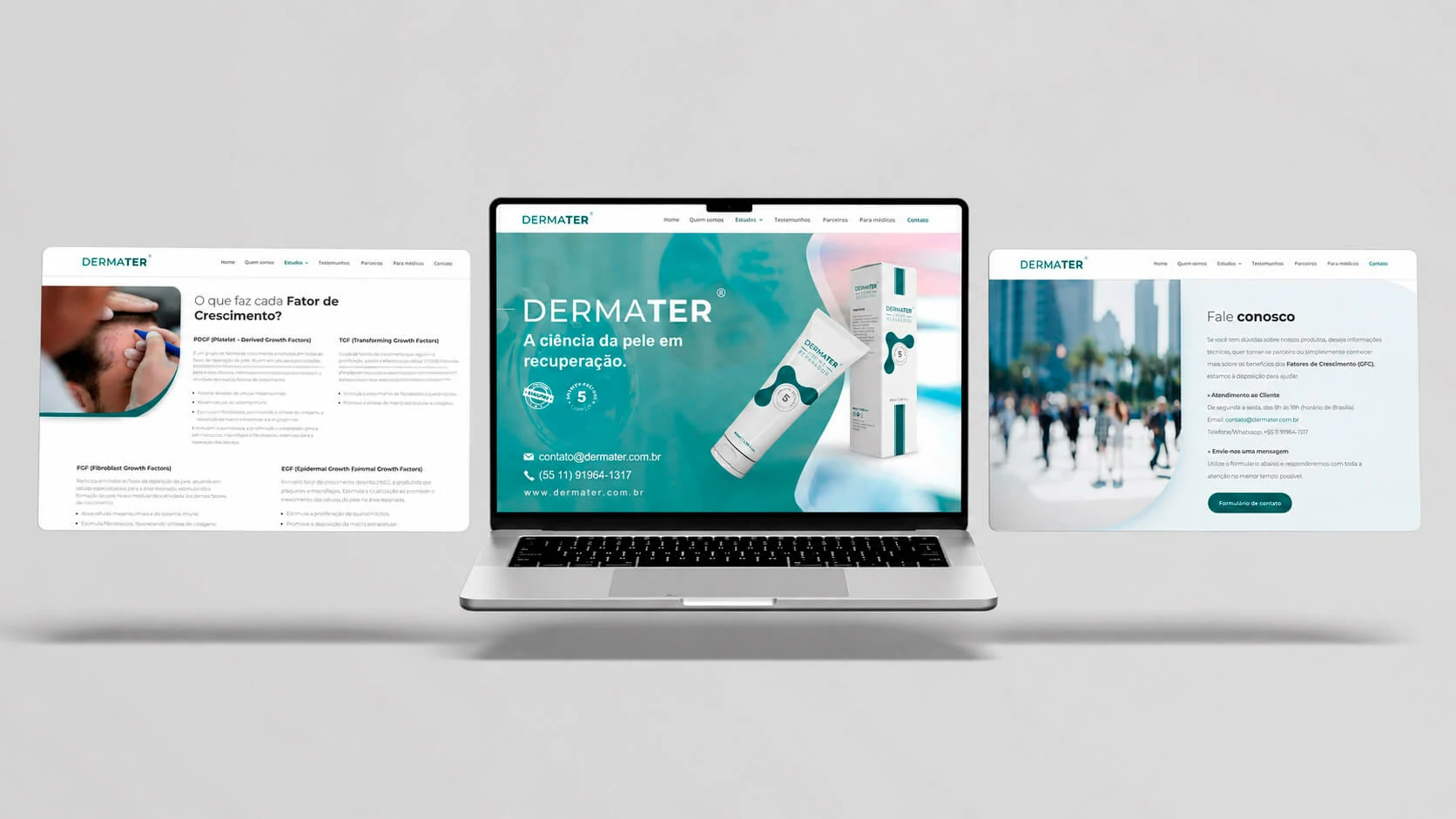
05 · Website strategy, information architecture and UX/UI
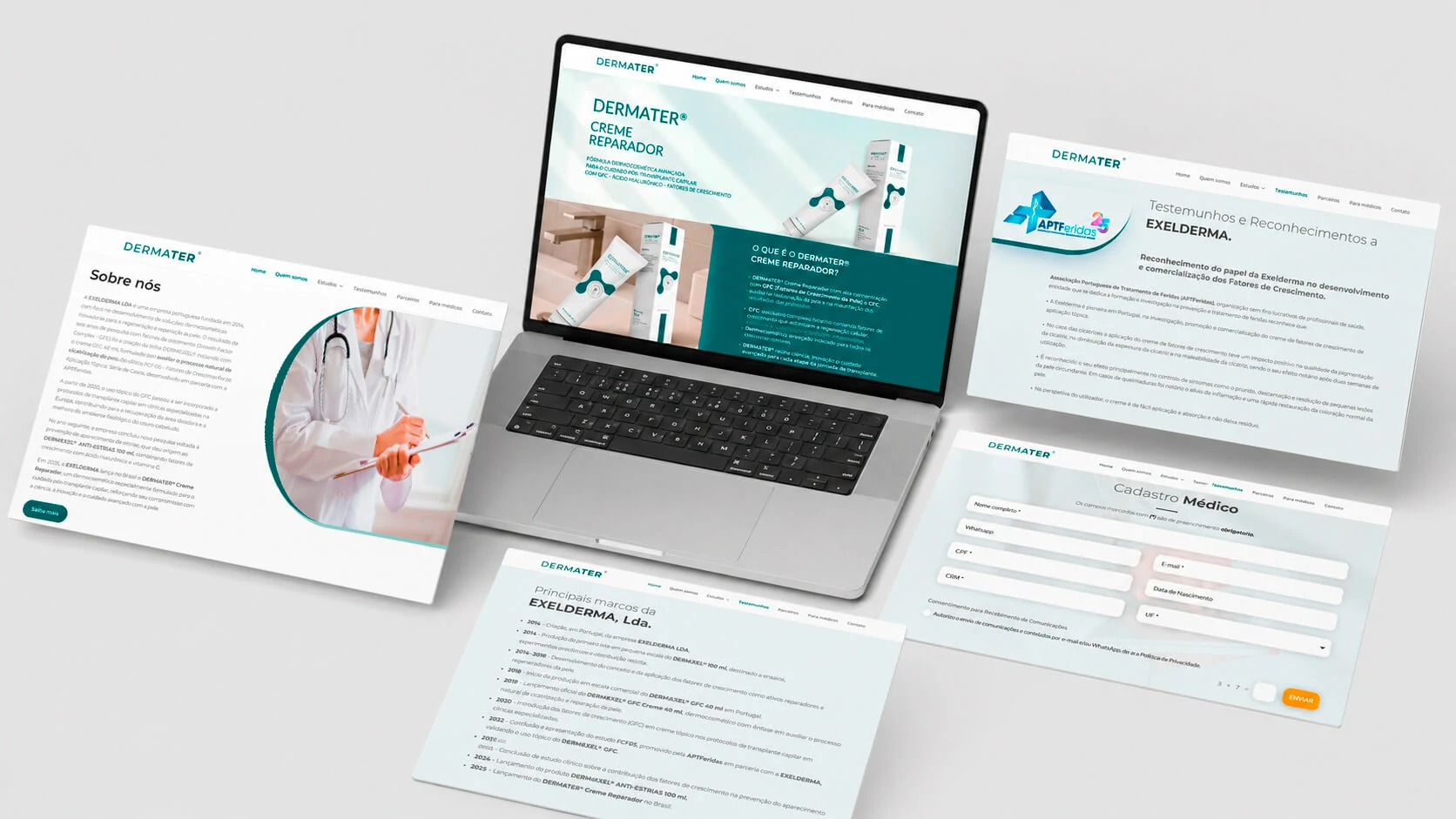
The website was planned as a technical evidence platform and a foundation for future acquisition campaigns.
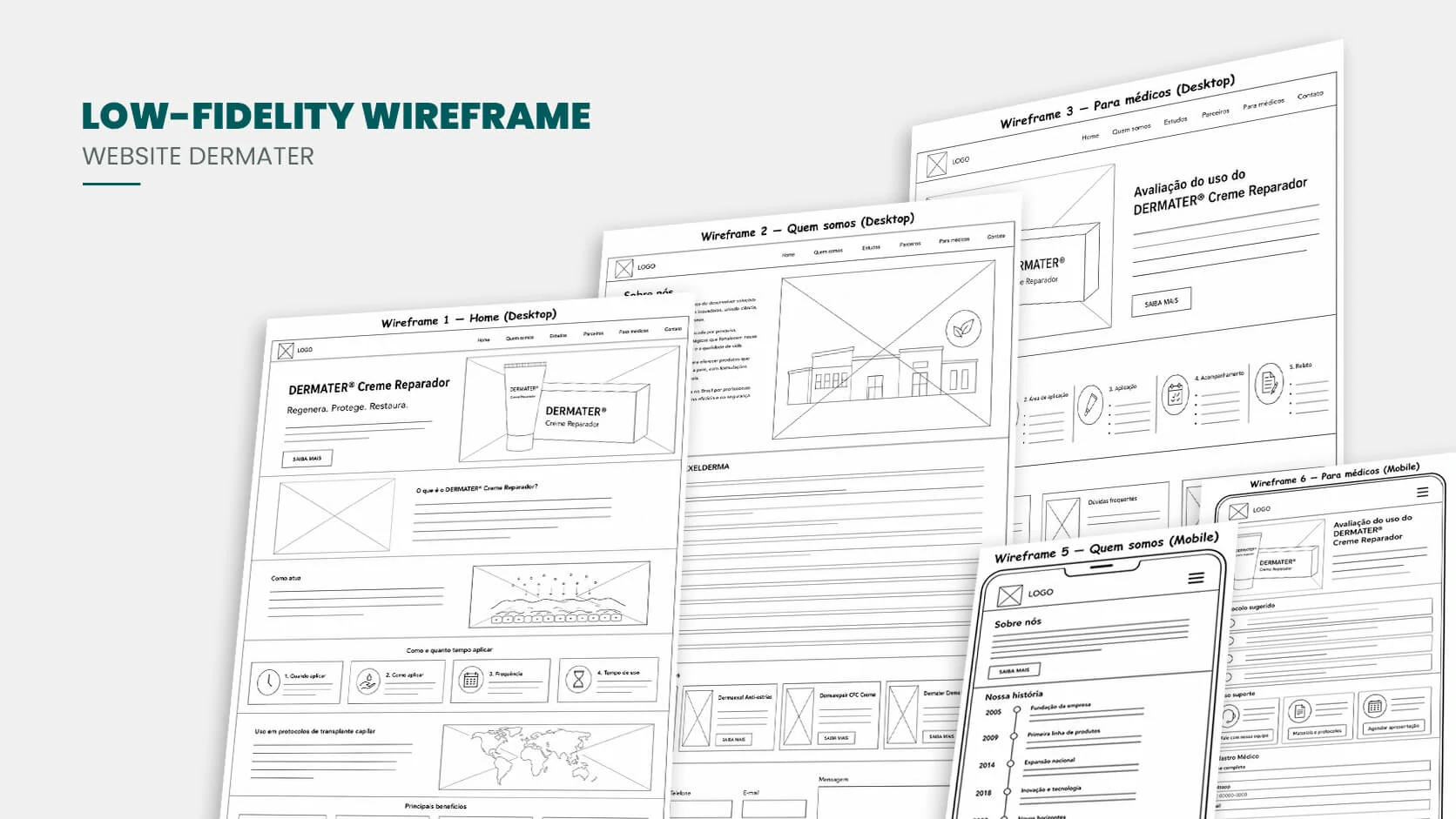
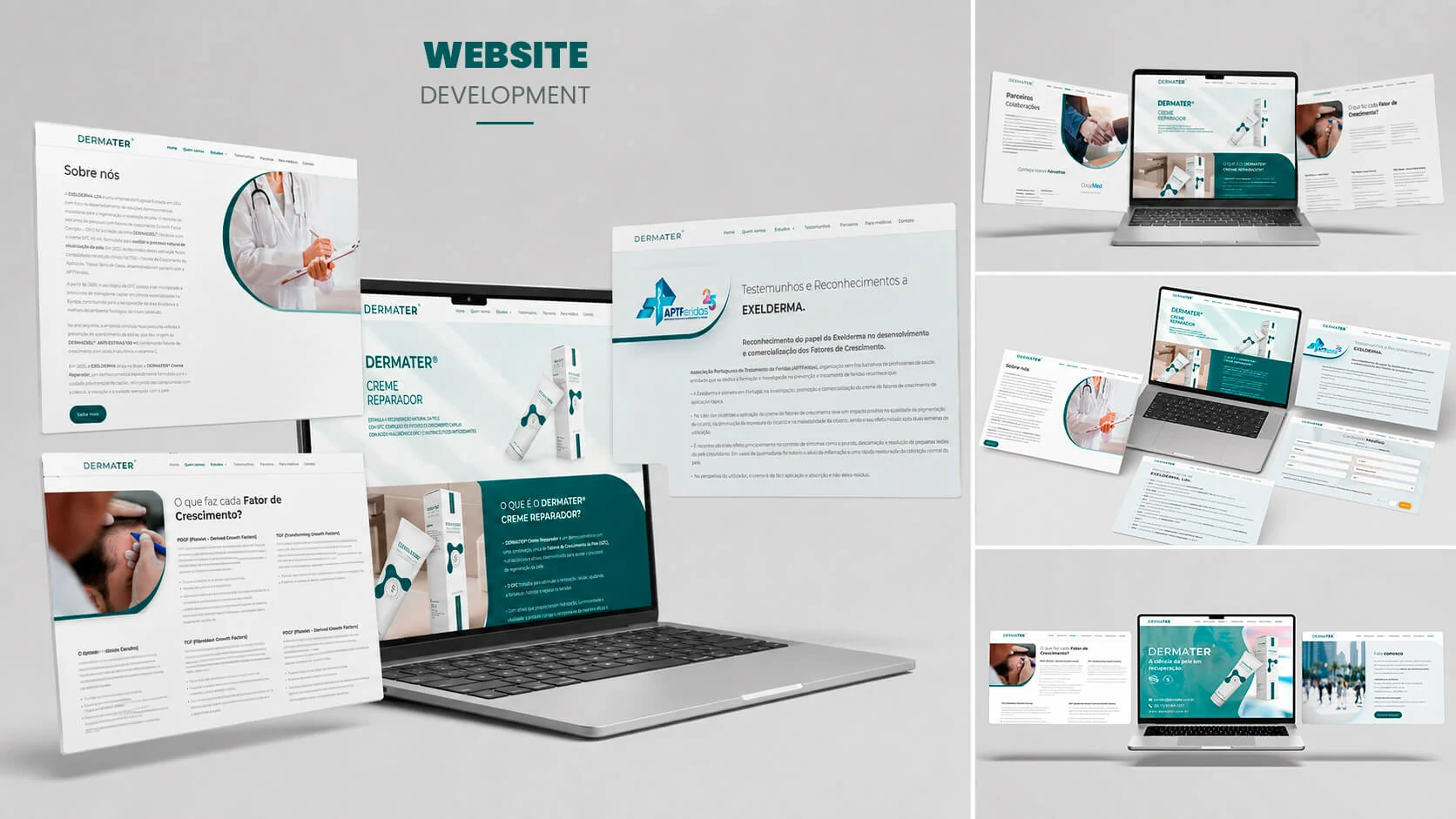
Before implementation, the project moved through strategic and technical briefing, information architecture and low-fidelity wireframes. The objective was to structure the product story around what professional audiences need to evaluate: brand context, studies, growth factors, applications, testimonials, partnerships, physician-facing information and clear contact pathways.
The resulting website translates dense technical material into a more navigable hierarchy, combining educational content with product presentation and conversion opportunities. Responsive behaviour was considered from the structural stage so desktop and mobile journeys would preserve the same core priorities.
Information architectureStudies, applications, brand context and professional pathways organised into a coherent hierarchy.
Responsive UXLayouts structured to preserve technical readability across desktop and mobile devices.
Evidence-led contentScientific and product information presented through progressive, scannable sections.
Conversion pathwaysContact and physician-oriented routes connect evaluation with commercial follow-up.
06 · Graphic and sales enablement materials
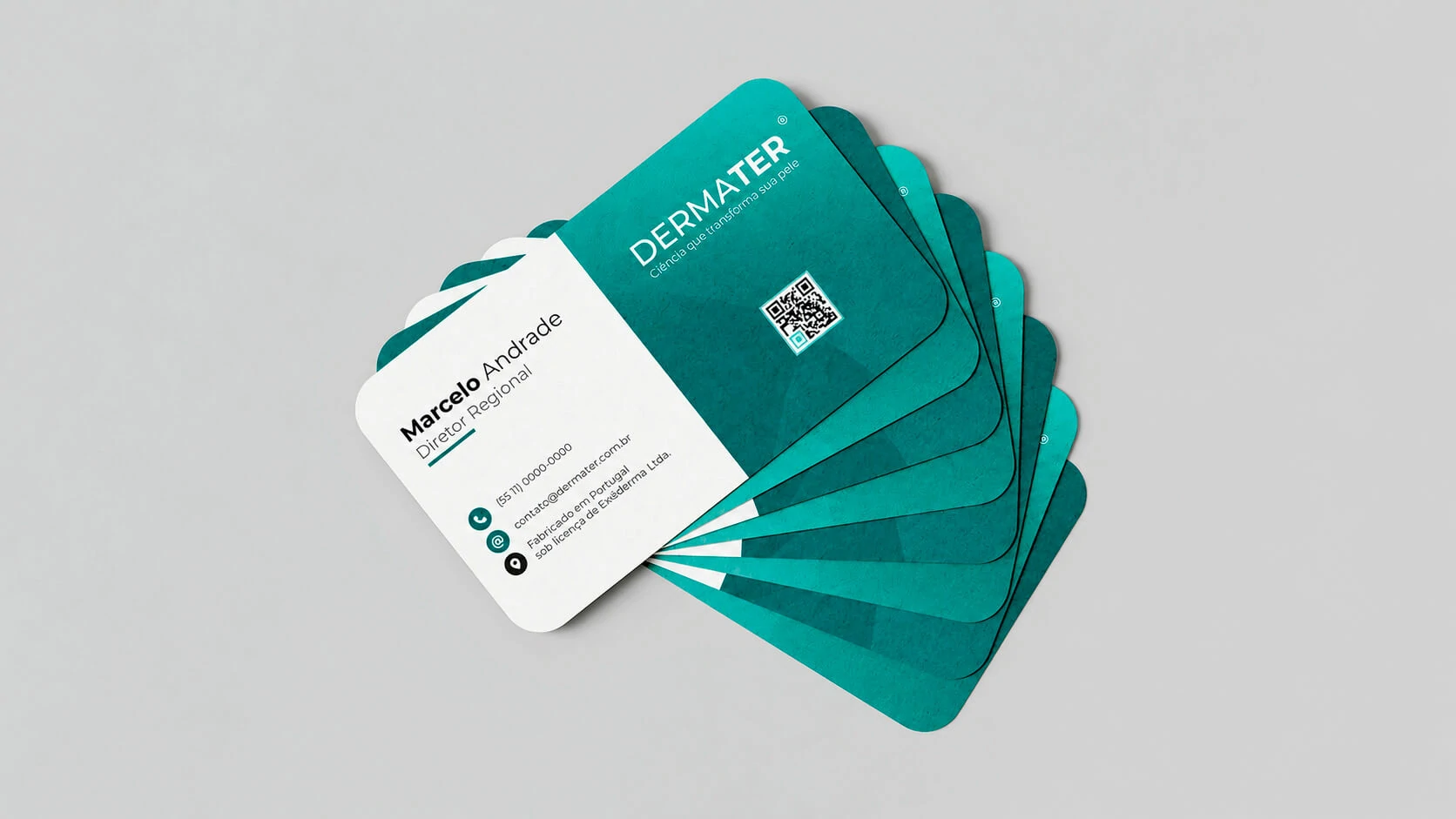
The identity was extended into practical tools for sales conversations, events and professional evaluation.
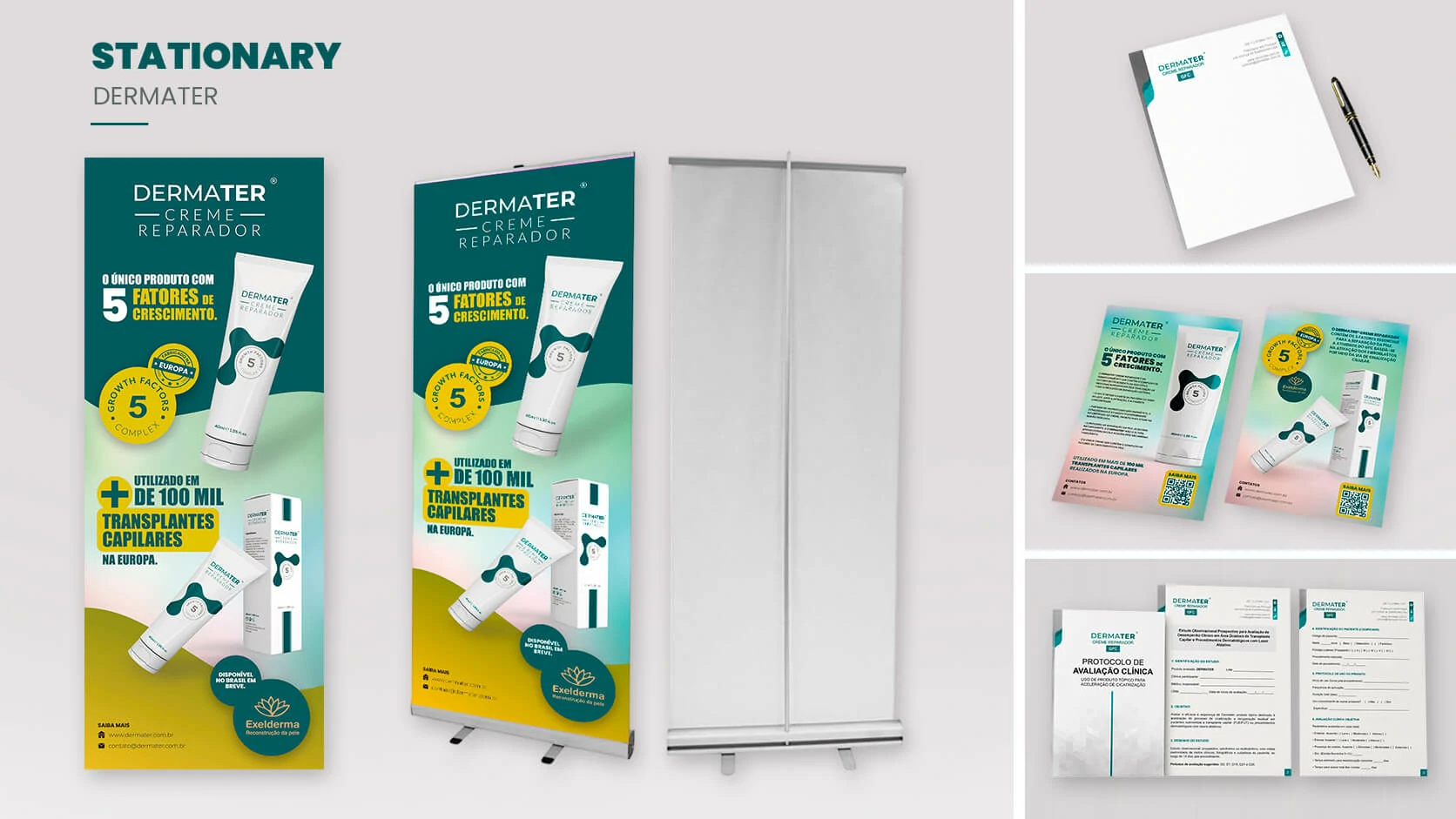
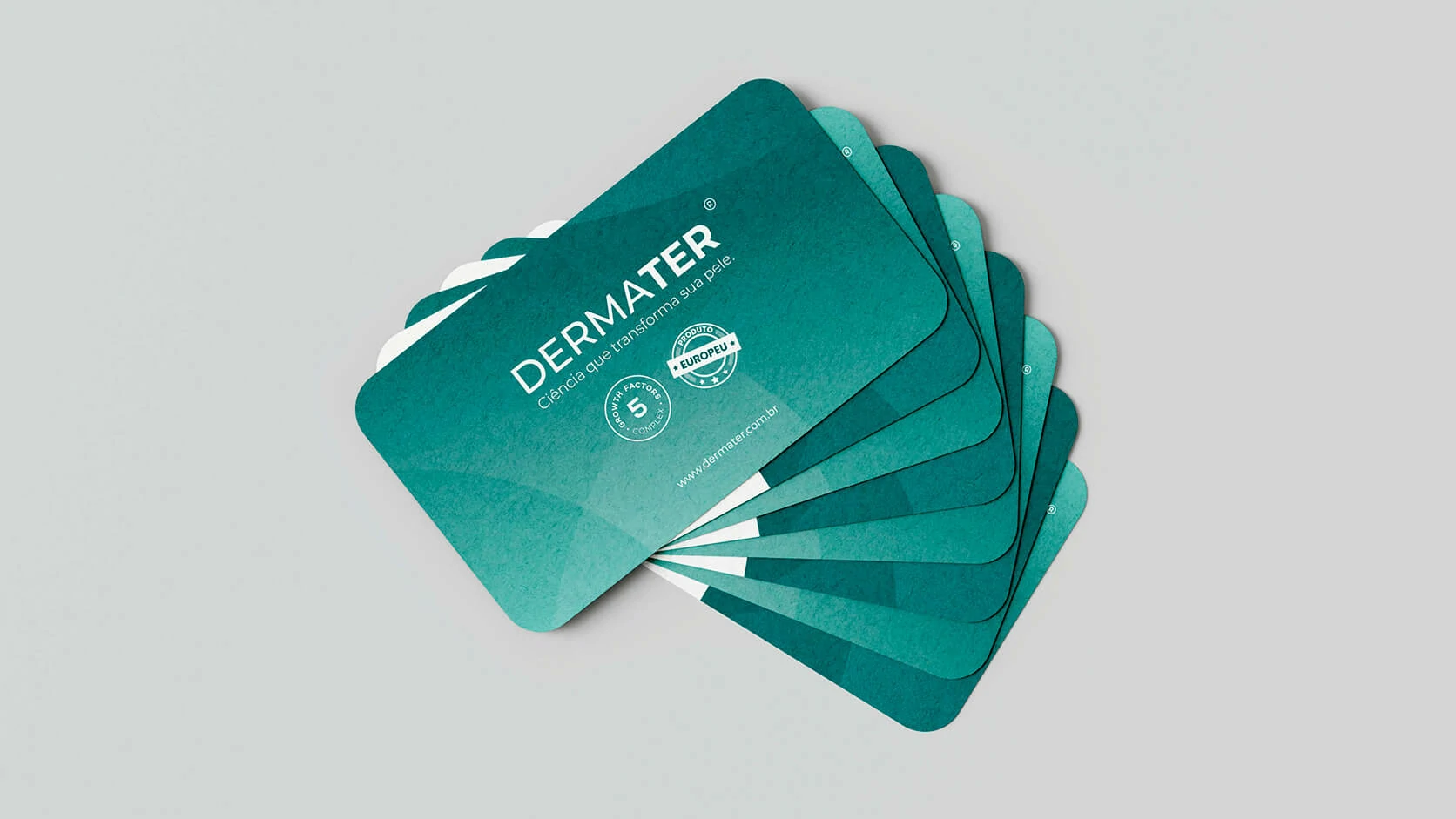
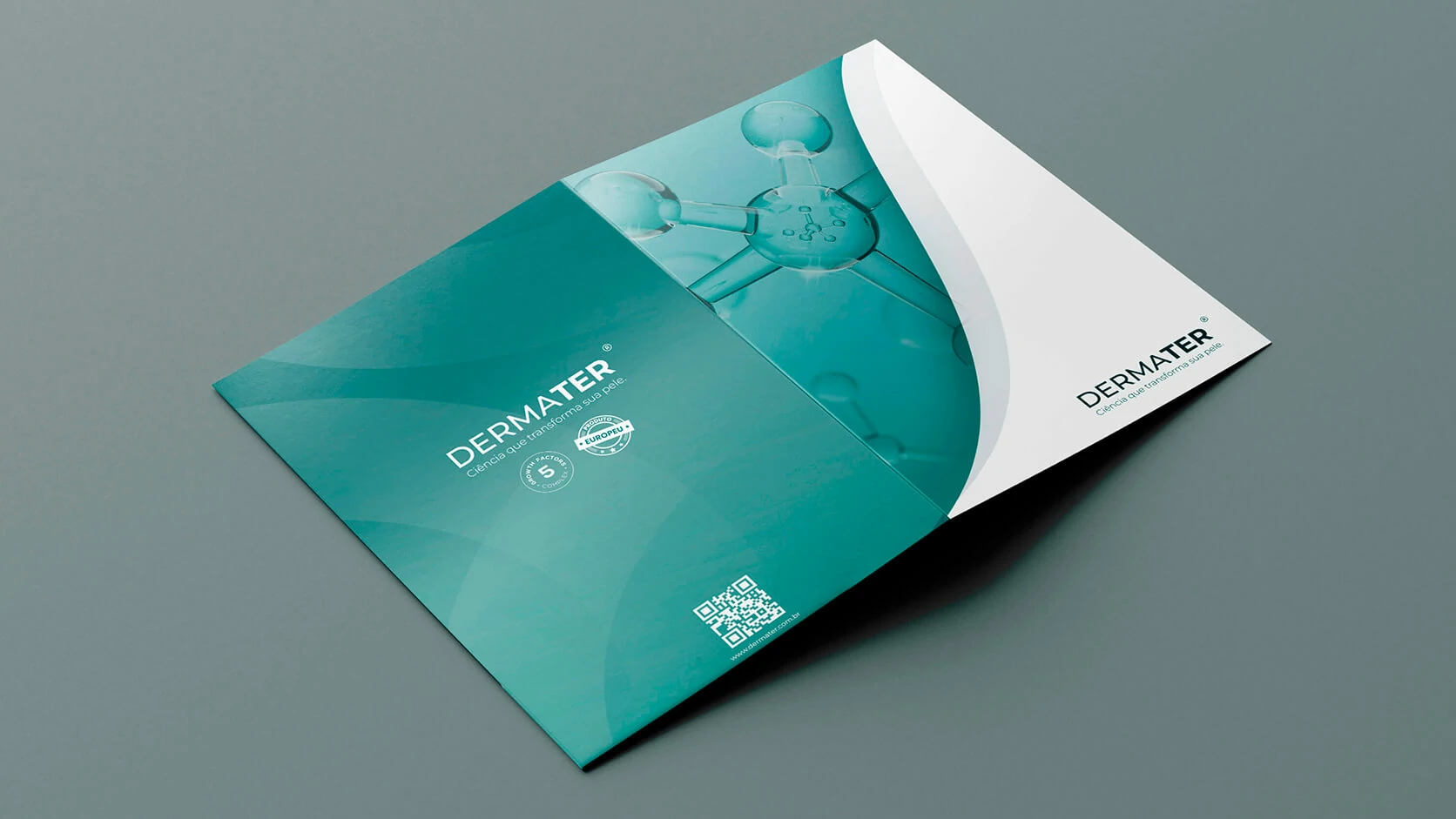
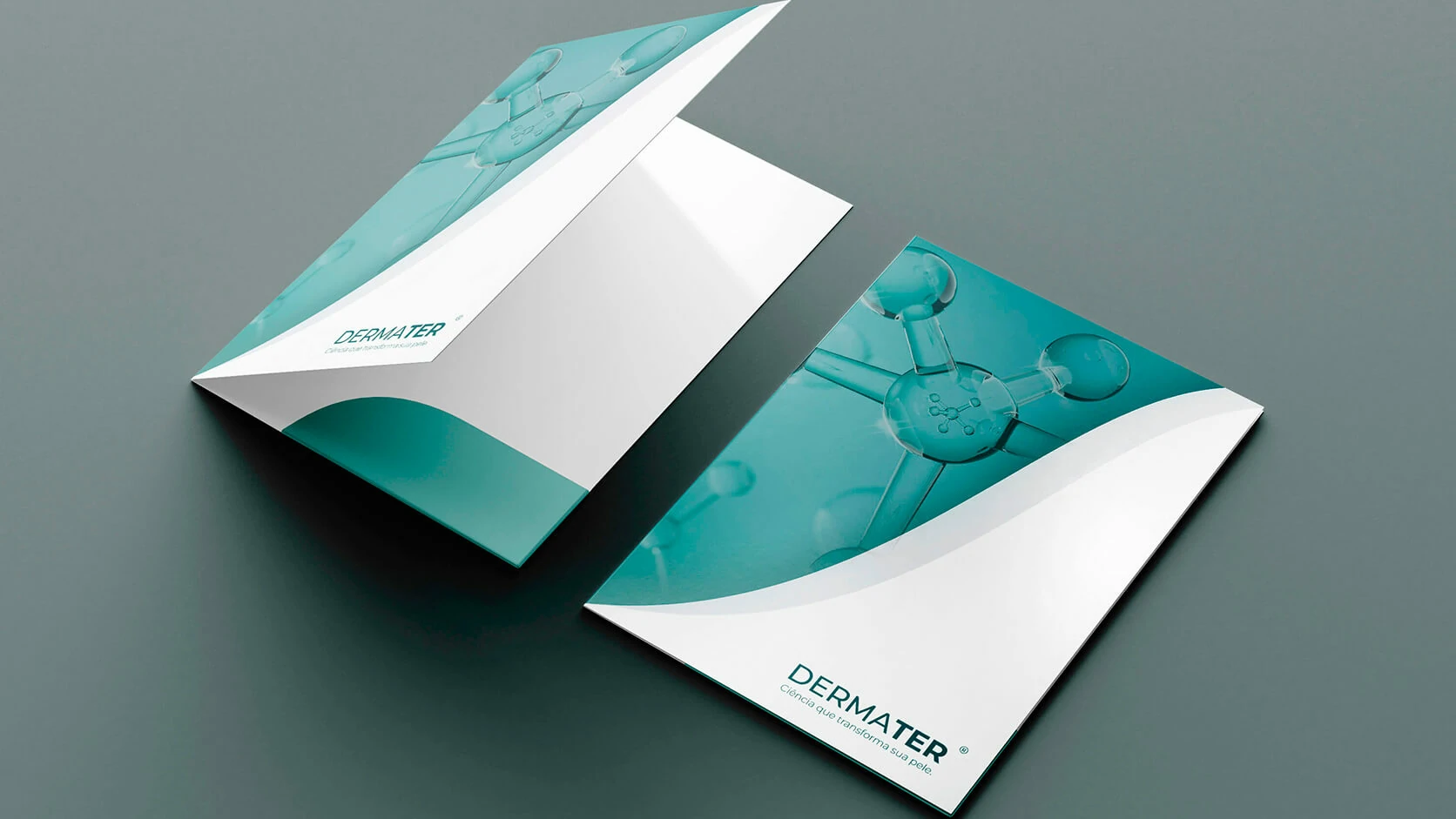
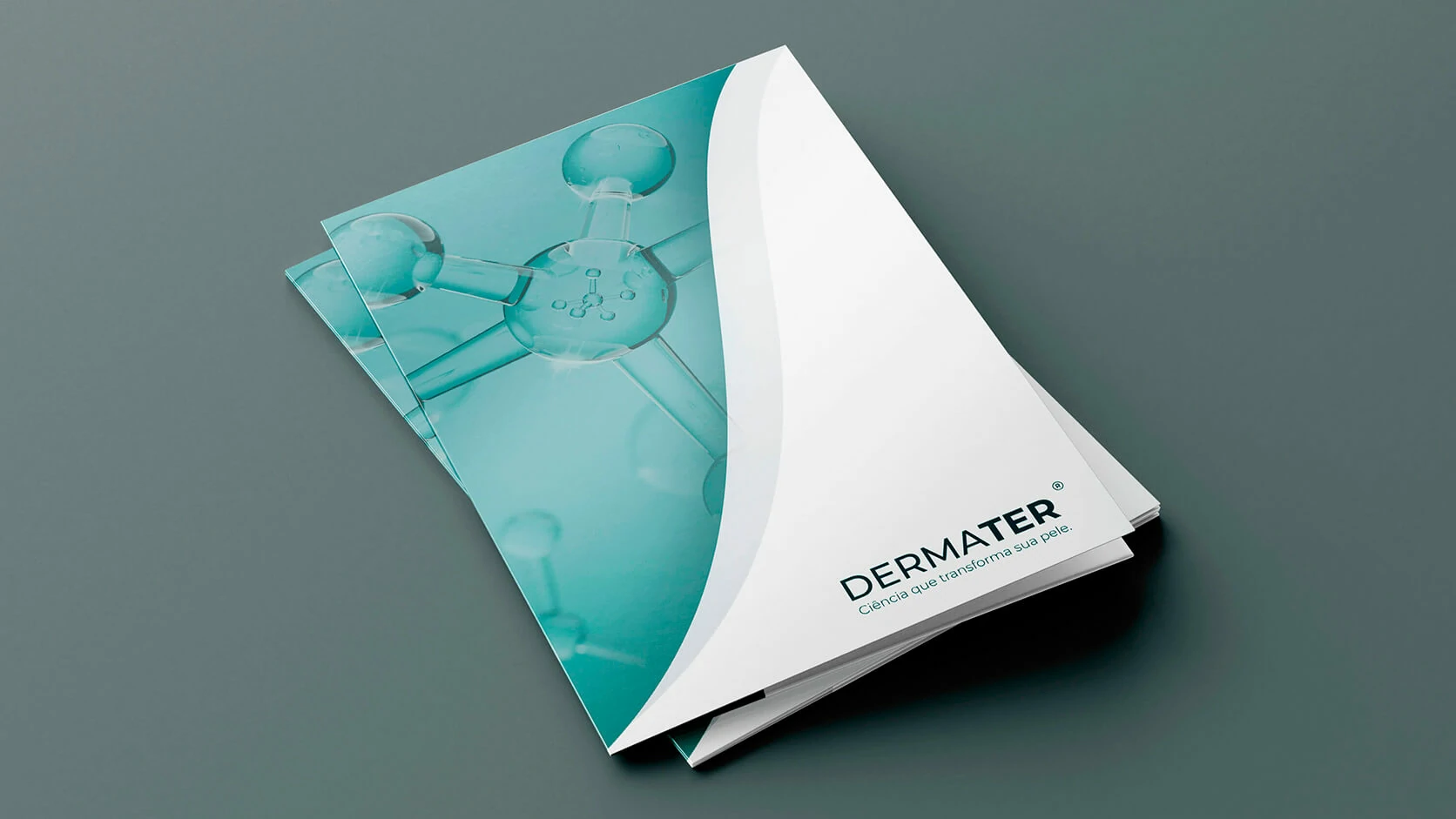
To keep the brand consistent outside the website, a broader set of institutional and commercial materials was developed. The system included business cards, letterheads, roll-up banners, flyers, promotional pieces and clinical evaluation documents.
These assets were not treated as decorative extensions. Each one addressed a concrete operational context: trade-show visibility, professional follow-up, product explanation, clinical documentation or direct sales support.
07 · Social media and editorial system
Social content translated the brand’s technical positioning into a regular, recognisable communication rhythm.
The social-media layer combined institutional communication, product education and technical content. An editorial calendar structured publishing cadence and content curation so the brand could communicate consistently rather than relying on isolated promotional posts.
Creative formats explained regeneration, growth factors and professional applications while preserving the same visual language established across packaging and the website.
08 · Performance marketing and lead generation
Two professional audiences were approached with dedicated creative and Meta lead-generation flows.
The growth phase introduced two lead-generation campaigns across Facebook and Instagram. Each campaign was built around a distinct professional audience and used native Meta lead forms to reduce friction between campaign engagement and sales follow-up.
A
Aesthetic clinics & healthcare professionals
A broader professional campaign introduced the product to clinics and healthcare decision-makers interested in receiving additional information and requesting a free sample.
B
Hair transplant clinics & professionals
A specialised campaign focused on scalp recovery and the product’s relevance within the post-transplant professional context.
01
Native lead capture
Meta instant forms converted campaign interest into structured contact data without sending the user through a longer external form journey.
02
Sales qualification
Captured contacts gave the commercial team a clearer list of professionals who had already expressed direct interest in the product.
09 · Campaign video creatives
Audience-specific video assets gave each lead campaign a clearer message and professional context.
The two campaigns used separate vertical video creatives so the value proposition could be framed around the priorities of each audience rather than forcing one generic message across both segments.
10 · Data, analysis and optimisation
Campaign reporting was transformed into a comparative performance view designed to support decisions.
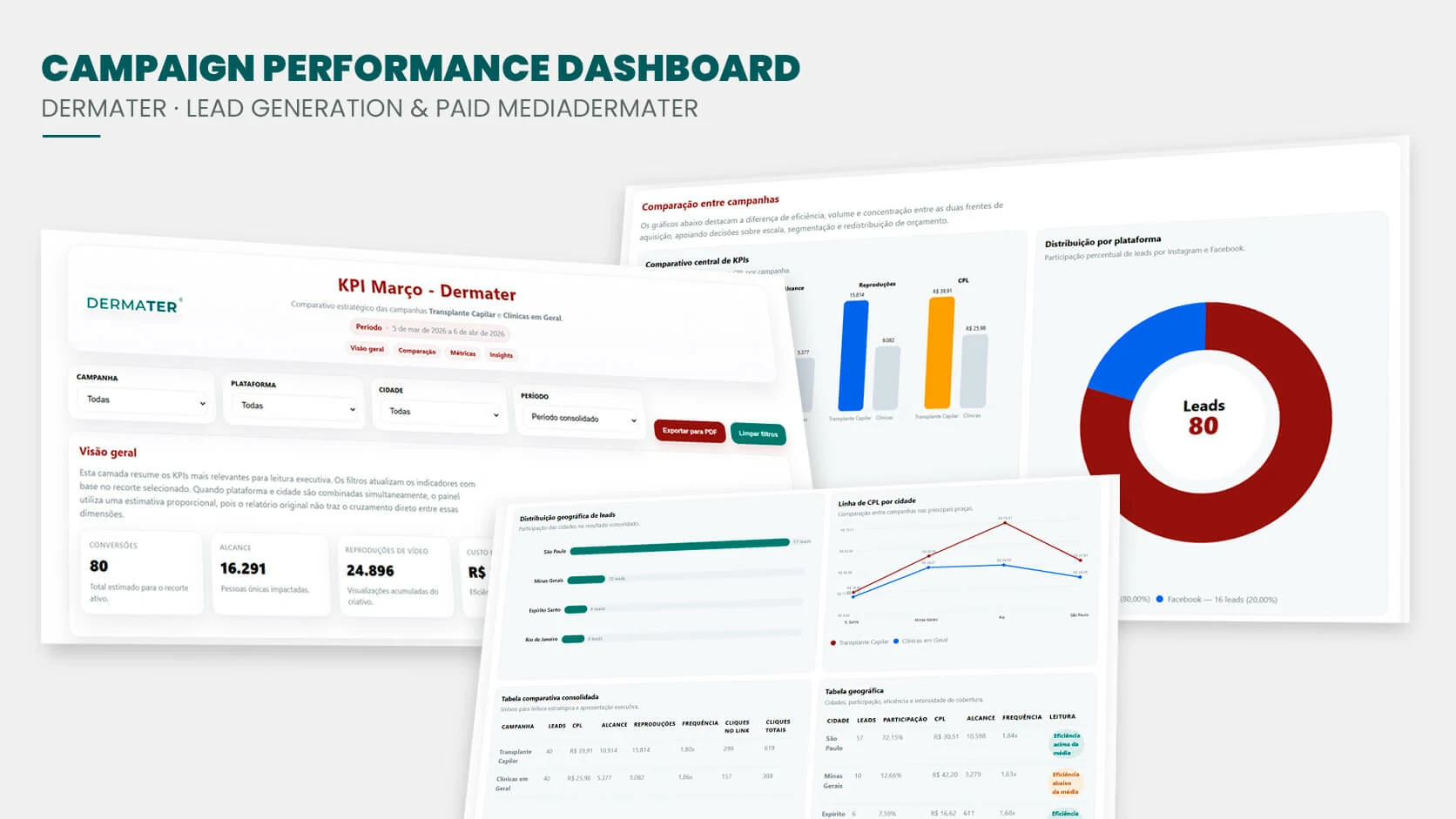
An interactive performance dashboard consolidated the main campaign results from Facebook and Instagram into a structured decision layer. Rather than treating reporting as a final administrative step, the dashboard was designed to help compare campaigns, channels, geographic performance and acquisition efficiency.
This created a stronger feedback loop between creative execution and future optimisation: audience response could inform media allocation, segmentation, messaging and the next round of campaign testing.
Comparison layerCampaign + platform
Performance can be evaluated across the two campaign fronts and between Facebook and Instagram.
Acquisition layerLeads + efficiency
Lead volume and acquisition indicators support a more practical reading of campaign effectiveness.
Optimisation layerEvidence for next actions
The dashboard turns campaign output into a reusable basis for budget, segmentation and creative decisions.
11 · Full project gallery
From packaging and wireframes to sales materials, social communication, lead generation and performance analysis.
The gallery documents the breadth of the Dermater ecosystem and how the same visual and strategic language was adapted across product, web, print, social and growth touchpoints.
12 · Outcome and learning
A brand system that grew from product presentation into an integrated acquisition and decision-making platform.
Dermater evolved from an initial logo and product concept into a connected ecosystem spanning physical product presentation, technical education, sales enablement, digital content, professional lead generation and performance analysis.
The project demonstrates the value of maintaining continuity between disciplines. Packaging created recognition, the website created understanding, social media created recurring visibility, paid campaigns created qualified demand and the dashboard created a basis for optimisation.
One recognisable system
Packaging, web, print and social communication share a coherent visual and informational language.
From awareness to qualified leads
Meta lead campaigns translated professional interest into actionable sales contacts for two different audience segments.
Data completes the loop
Campaign analysis connects creative and media activity with evidence for future optimisation decisions.
Strategic learning
The strongest brand systems are not finished when the identity is approved. Their real value appears when packaging, product education, digital experience, content, acquisition and data reinforce one another across the entire customer journey.

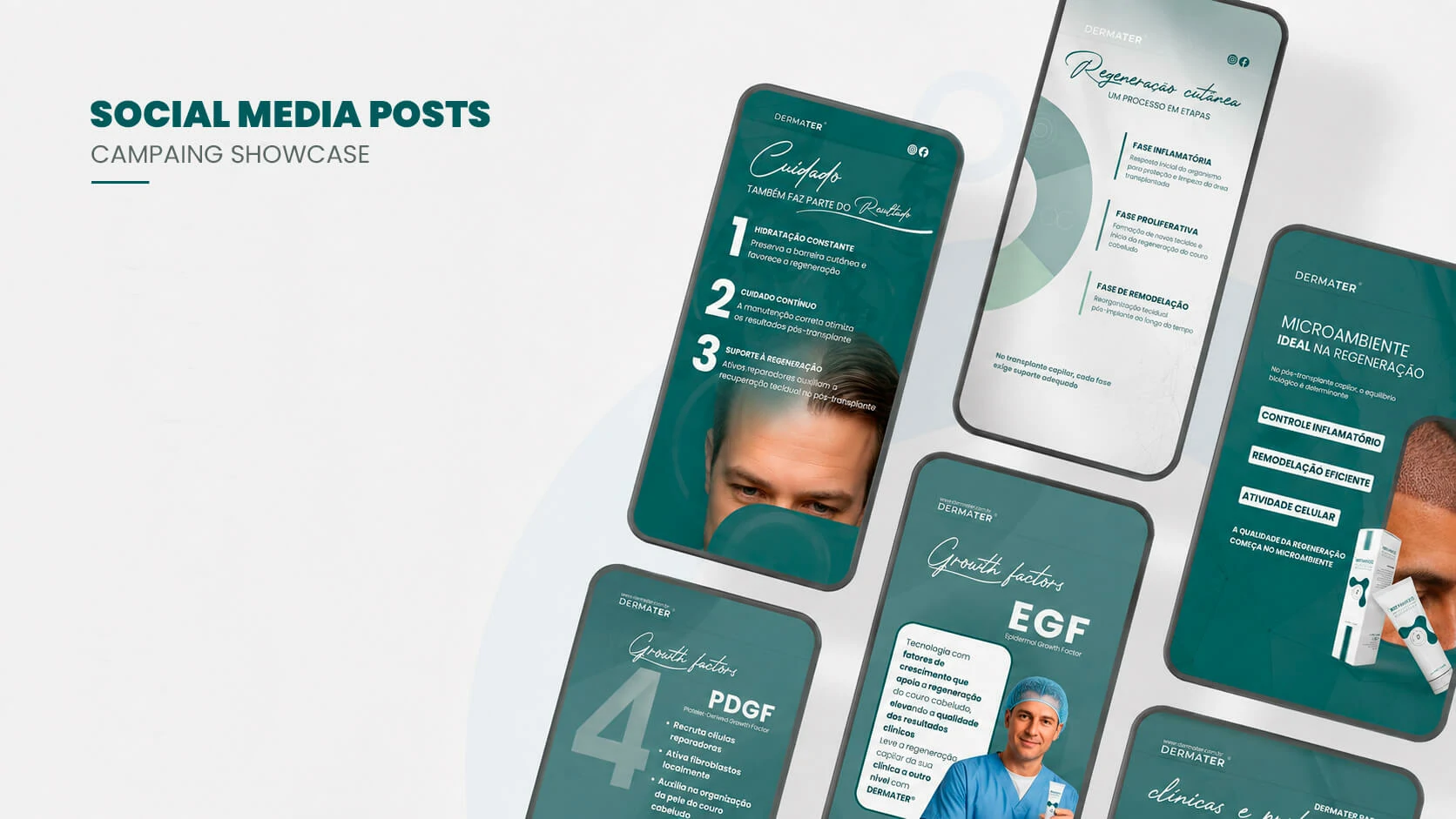
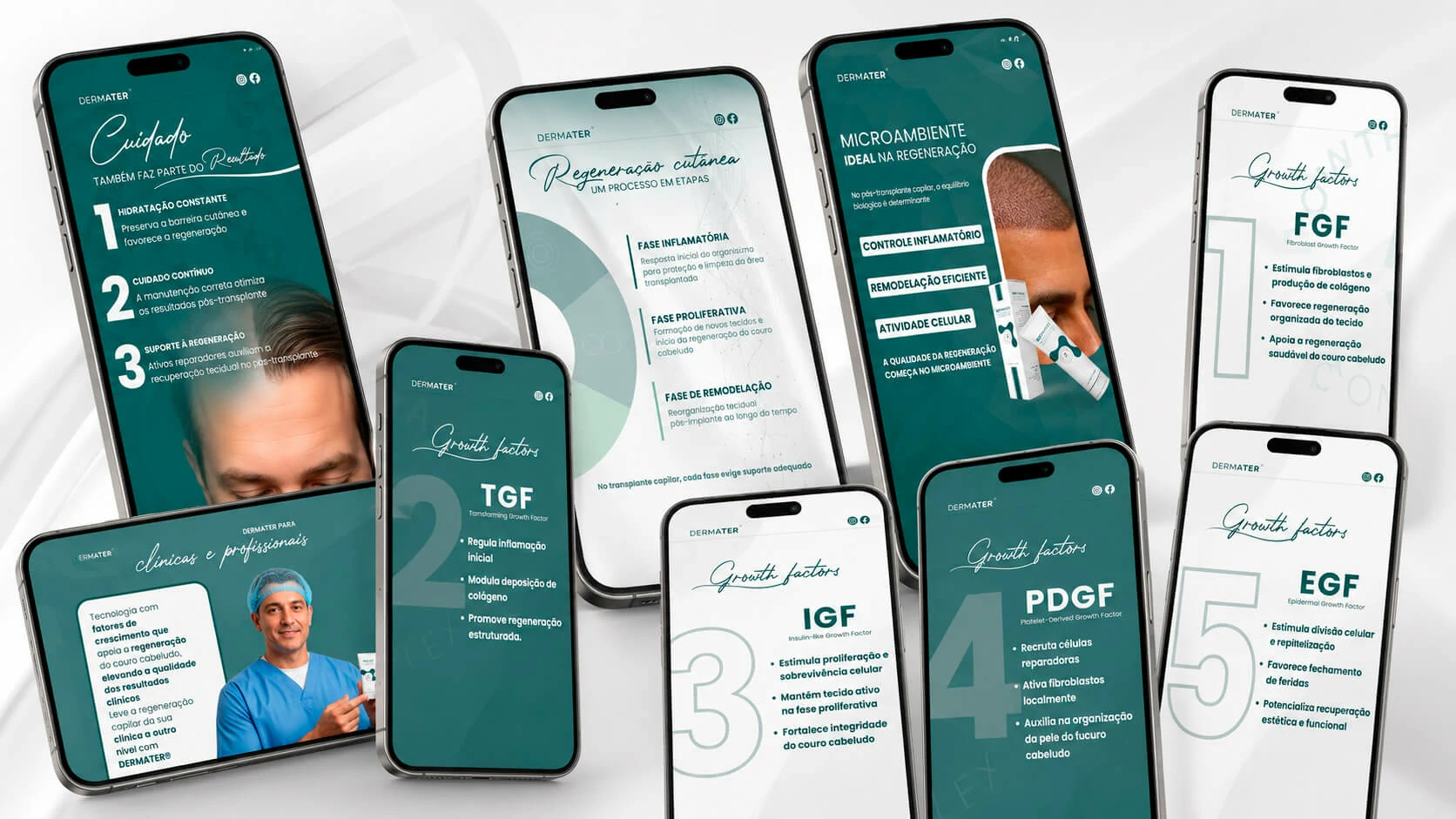
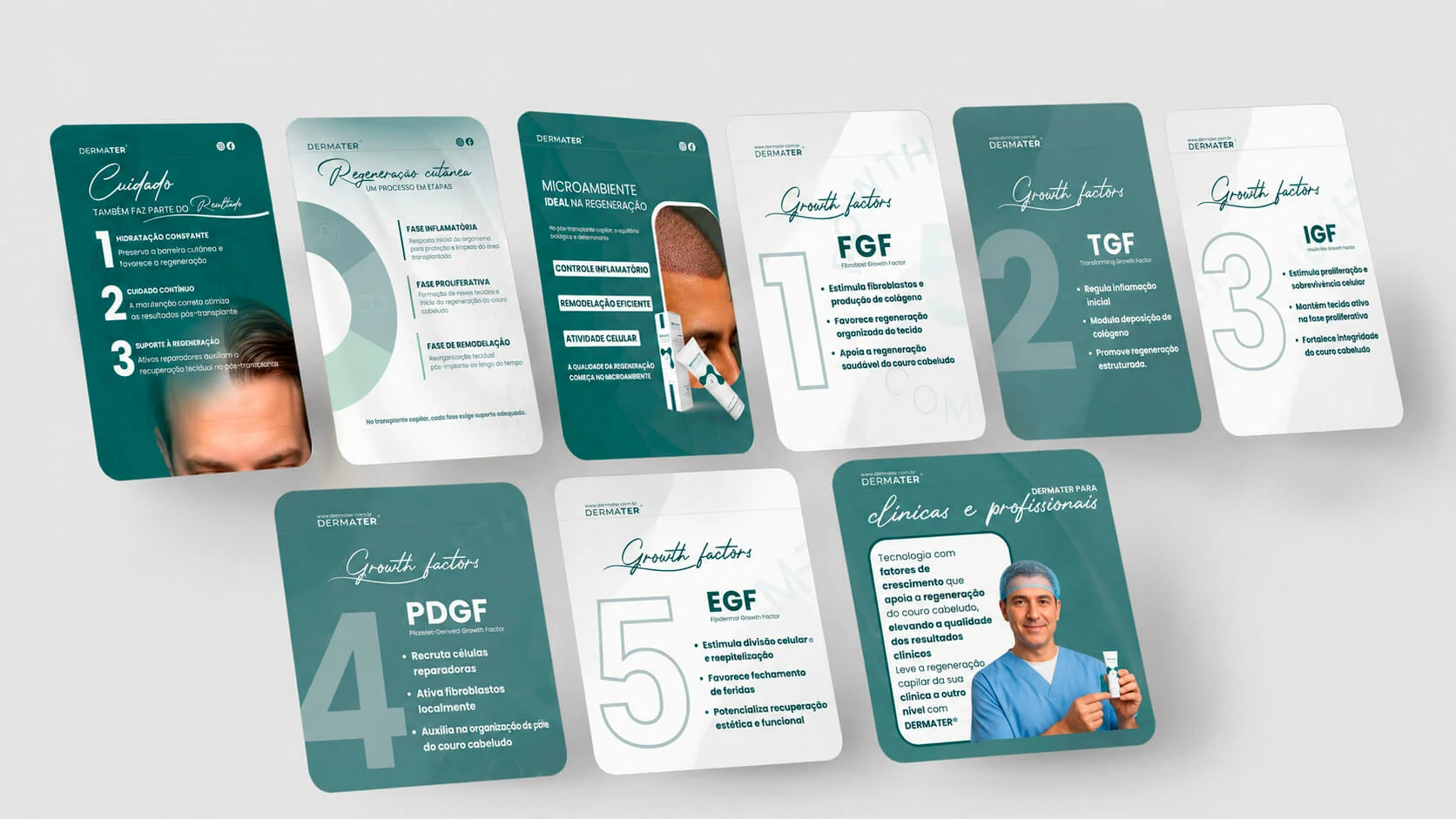
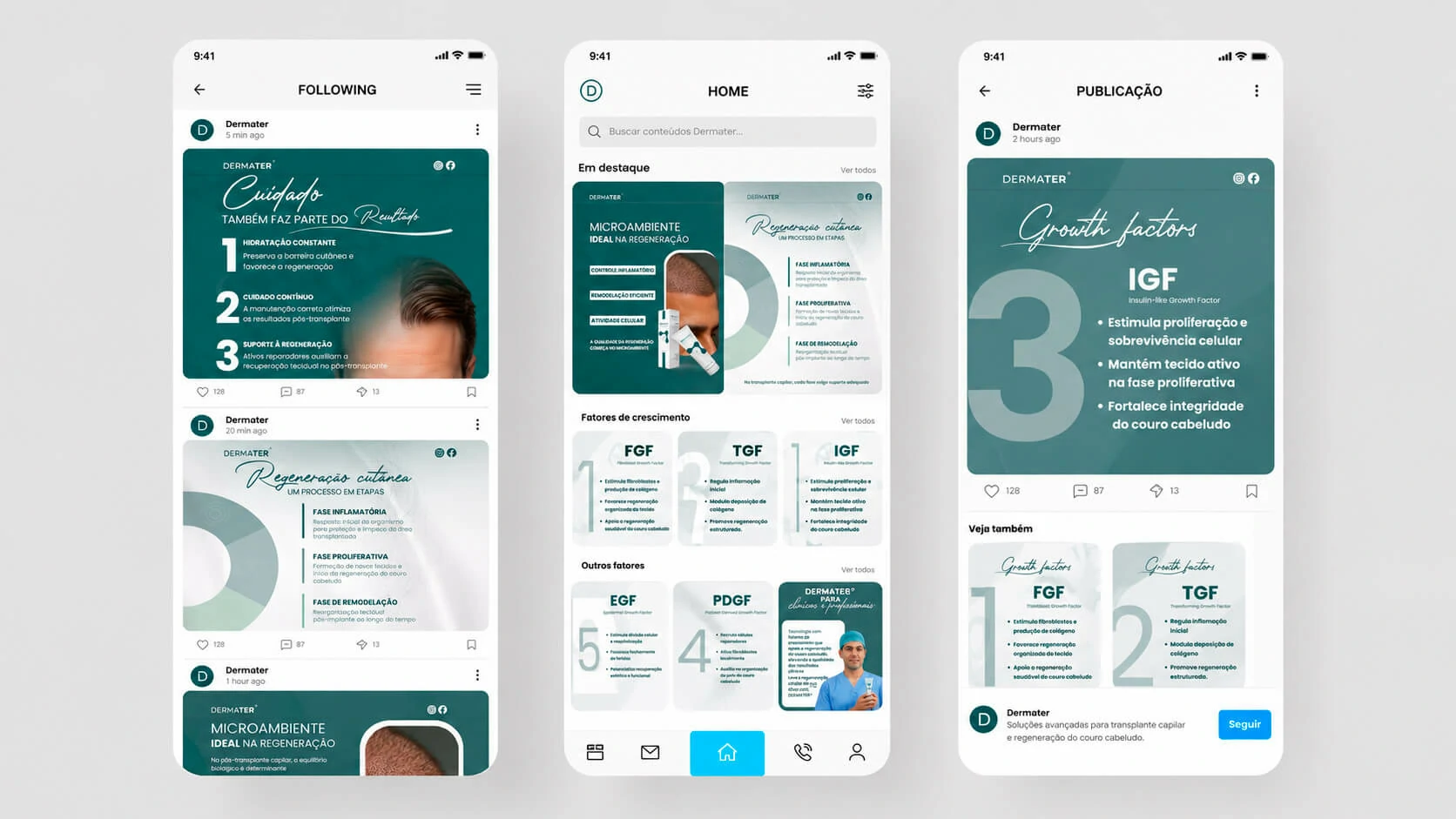
Social content translated the brand’s technical positioning into a regular, recognisable communication rhythm.
The social-media layer combined institutional communication, product education and technical content. An editorial calendar structured publishing cadence and content curation so the brand could communicate consistently rather than relying on isolated promotional posts.
Creative formats explained regeneration, growth factors and professional applications while preserving the same visual language established across packaging and the website.